We are pleased to welcome two new Technical Steering Team (TST) members: Jonathan DiLorenzo and Muhammad Shahbaz. A big thank you to outgoing TST members Steffen Smolka and Shweta Shrivastava for their service and contributions to the TST and P4 community.
What is the TST?
The TST oversees the technical aspects of the P4 project and is responsible for all technical decisions. TST meetings take place monthly and are open to anyone to join. Add the meeting to your calendar.
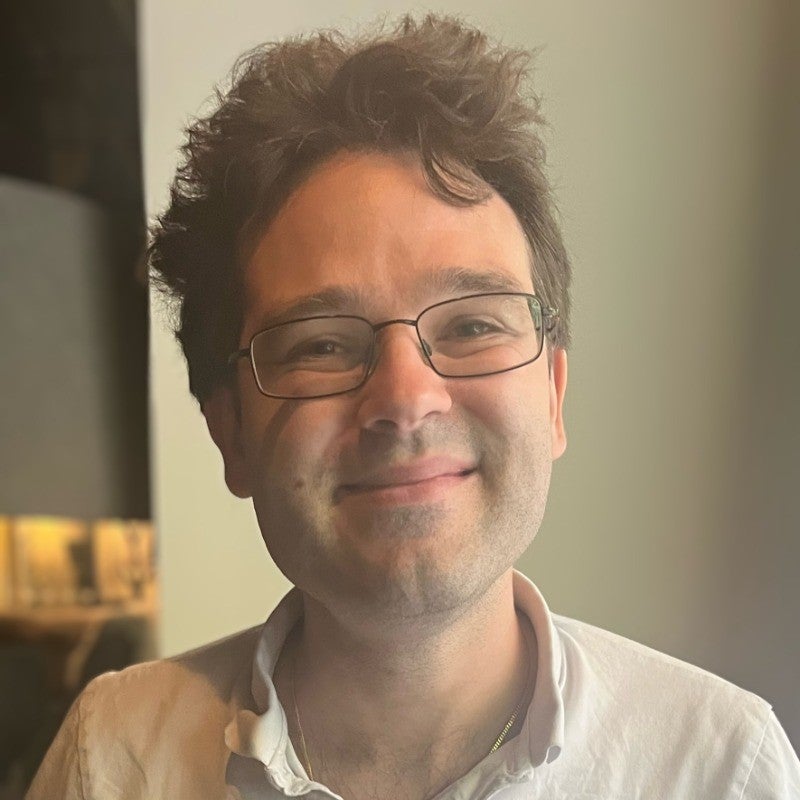
Jonathan has worked on the P4 Project since 2021 and co-chaired the P4 Language Design Working Group (LDWG) since 2023. He actively uses P4 in his work at Google, pioneering efforts to use P4 as a specification language for validation and verification alongside previous TST member Steffen Smolka, and has made code contributions to P4-Constraints and some spec contributions to P4Runtime. His current focus within the P4 community is to help shepherd the P4-SpecTec adoption through the P4 LDWG.
Jonathan said:
“In my work at Google, I’ve seen the great value that comes from using P4 as a specification language and applying standard techniques for validation and verification. I’m excited to continue pushing forward on this track as part of the TST. I hope to see how we can help improve the ecosystem to unlock these benefits for a wider audience and deepen their impact.”
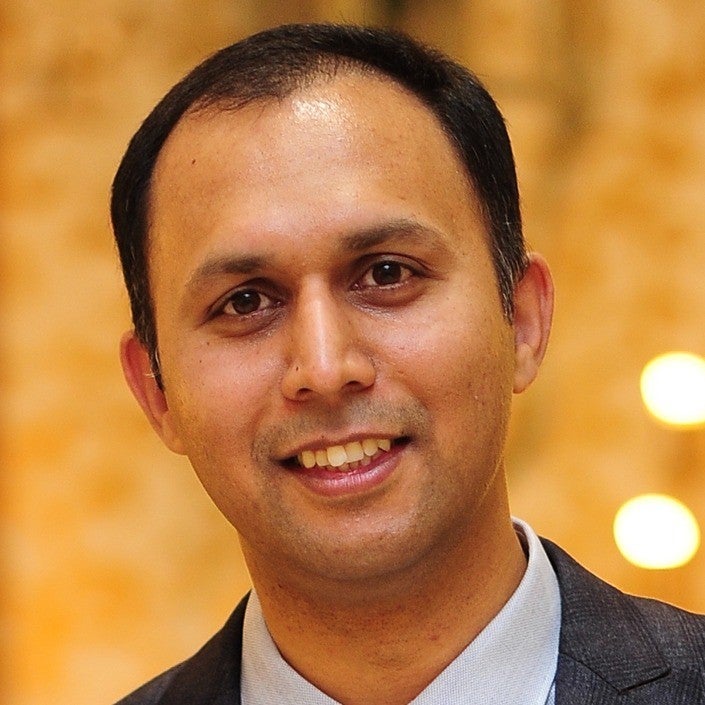
Muhammad has been involved with the P4 Project since 2015. At the time, he worked on programmable data-plane abstractions and systems such as PISCES, which he co-authored, helping advance P4-based systems research such as Taurus and Homunculus. He’s currently a P4 Education Working Group co-chair and is involved in the planning for EuroP4’26.
Muhammad actively works on the P4-based systems for in-network ML, programmable SmartNICs, scalable stateful inference, and educational material that helps students and new contributors learn programmable networking. He has worked across academia and industry-facing P4 efforts and cares deeply about making P4 technically strong, accessible, and useful to both researchers and practitioners.
Muhammad said:
“P4 has been a big part of my research journey—from programmable data planes to in-network ML and SmartNICs. I’m excited to give back to the community that has shaped so much of my work and to help push P4 toward what comes next.”